Adult acne is becoming increasingly common — it affects not only teenagers but also adults aged 25 to 45, especially women. While acne has long been associated with adolescence, recent studies show that 15–35% of adults continue to struggle with this chronic inflammatory skin condition.
This article explores the types of adult acne, its causes, symptoms, diagnosis, effective treatments, and how to care for acne-prone skin.
What Is Adult Acne?
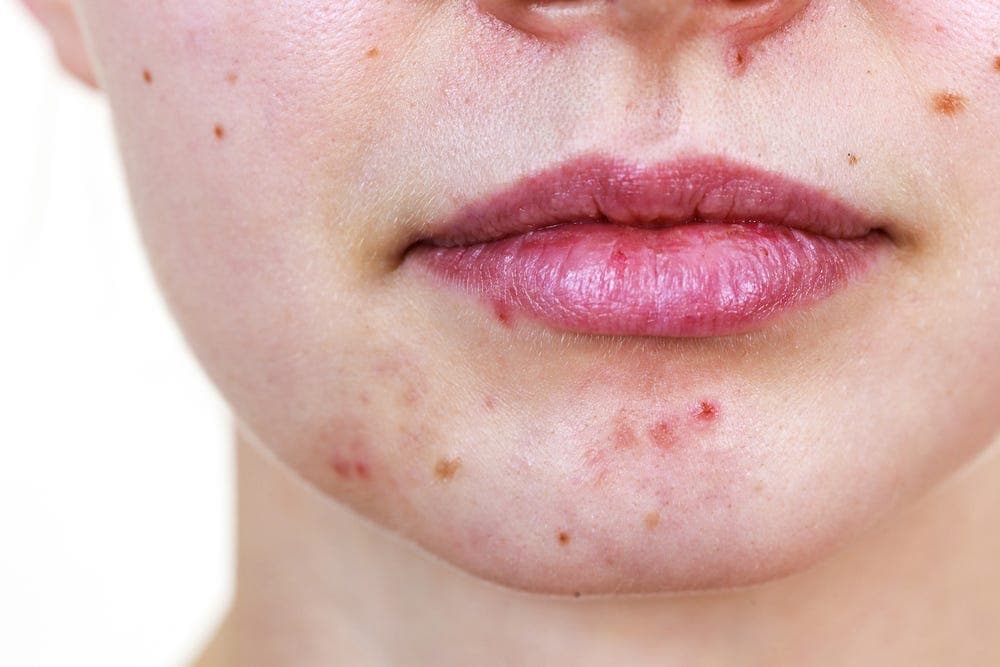
Acne (acne vulgaris) is a skin condition characterized by inflammatory lesions such as papules, pustules, and comedones (clogged pores). Unlike teenage acne, adult acne most commonly affects the lower face — the chin, jawline, and neck — forming a characteristic “U-shaped” pattern.
Types of Adult Acne
Persistent acne
The most common type (~70–80% of cases), where acne starts during adolescence and continues into adulthood.
Late-onset acne
Appears for the first time after the age of 25. More common in women and often related to hormonal fluctuations.
Recurrent acne
Begins in the teenage years, clears up for a while, and then flares up again in adulthood. This type is the rarest and least studied.
Causes and Risk Factors
Main causes:
-
Genetic predisposition
-
Hormonal changes (menstruation, pregnancy, PCOS)
-
Inflammatory processes in the skin
-
Imbalance in the skin microbiome
Risk factors:
-
Pore-clogging cosmetics
-
Diet high in sugar or dairy
-
Chronic stress and lack of sleep
-
Smoking
-
Certain medications (e.g., hormonal therapy, steroids)
Symptoms
Adult acne may present as:
-
Red, painful papules
-
Pustules (pus-filled lesions)
-
Inflamed nodules
-
Scarring (if left untreated)
Comedones (blackheads and whiteheads) may be less common than in adolescent acne. Skin is often drier and more sensitive in adults.
When to See a Dermatologist?
See a skin specialist if:
-
Breakouts persist or frequently recur
-
Lesions are painful, filled with pus, or leaving scars
-
Over-the-counter treatments aren’t working
-
You are pregnant or breastfeeding — a tailored treatment plan is essential
Diagnosis
Diagnosis is usually made through clinical evaluation — a dermatologist assesses the type and distribution of lesions, skin type, and patient age.
Additional testing may be necessary if:
-
Hormonal imbalance is suspected (blood tests may be ordered)
-
Other skin conditions need to be ruled out (e.g., rosacea or perioral dermatitis)
Treatment Options
Adult acne treatment often takes longer than in teens, as adult skin is more sensitive and prone to irritation. An individualized approach is key.
Topical treatments:
-
Retinoids (vitamin A derivatives)
-
Topical antibacterial acne treatments
-
Topical acne agents
-
Anti-inflammatory creams
Systemic treatments:
-
Oral antibiotics
-
Hormonal therapy (e.g., contraceptives, antiandrogens)
-
A strong prescription acne medication taken as an oral course (for severe cases, under medical supervision)
Skincare and Prevention
Daily skincare is crucial to support treatment and prevent flare-ups.
Recommended routine:
-
Gentle, non-comedogenic cleanser (pH 4–6)
-
Moisturizer without fragrance or irritants
-
Daily sun protection (SPF 30+)
Additional advice:
-
Avoid harsh scrubs or alcohol-based toners
-
Don’t use multiple active products at once
-
Maintain the skin barrier — hydration is essential
Frequently Asked Questions (FAQ)
Is adult acne caused by poor hygiene?
No. It’s driven by internal factors like hormones and inflammation. Over-washing the skin can make it worse.
Can adult acne be fully cured?
Yes, but it may take time. With consistent treatment and care, long-term remission is possible.
Can acne appear only during pregnancy?
Yes, hormonal changes during pregnancy can trigger acne even in those who’ve never had it before.
Can acne leave scars?
Yes, especially if lesions are picked or squeezed. Severe inflammatory acne may result in scarring.
Conclusion
Adult acne is more than a cosmetic concern — it’s a chronic skin condition that requires a comprehensive approach, including accurate diagnosis, personalized treatment, and consistent skincare.
If symptoms worsen or don’t improve, don’t hesitate to consult a dermatologist. Early intervention helps prevent complications and improves your skin — and your confidence.