Introduction
Nummular (discoid) dermatitis is one of the inflammatory skin diseases that can significantly affect daily well-being: from constant itching and sleep disturbances to uncomfortable skin tightness or stinging. Although this condition is not contagious and does not pose a threat to life, uncontrolled inflammation tends to recur, and rashes can persist for months or even years. With proper skin care and appropriate treatment, symptoms can usually be managed, significantly improving quality of life.
What is it?
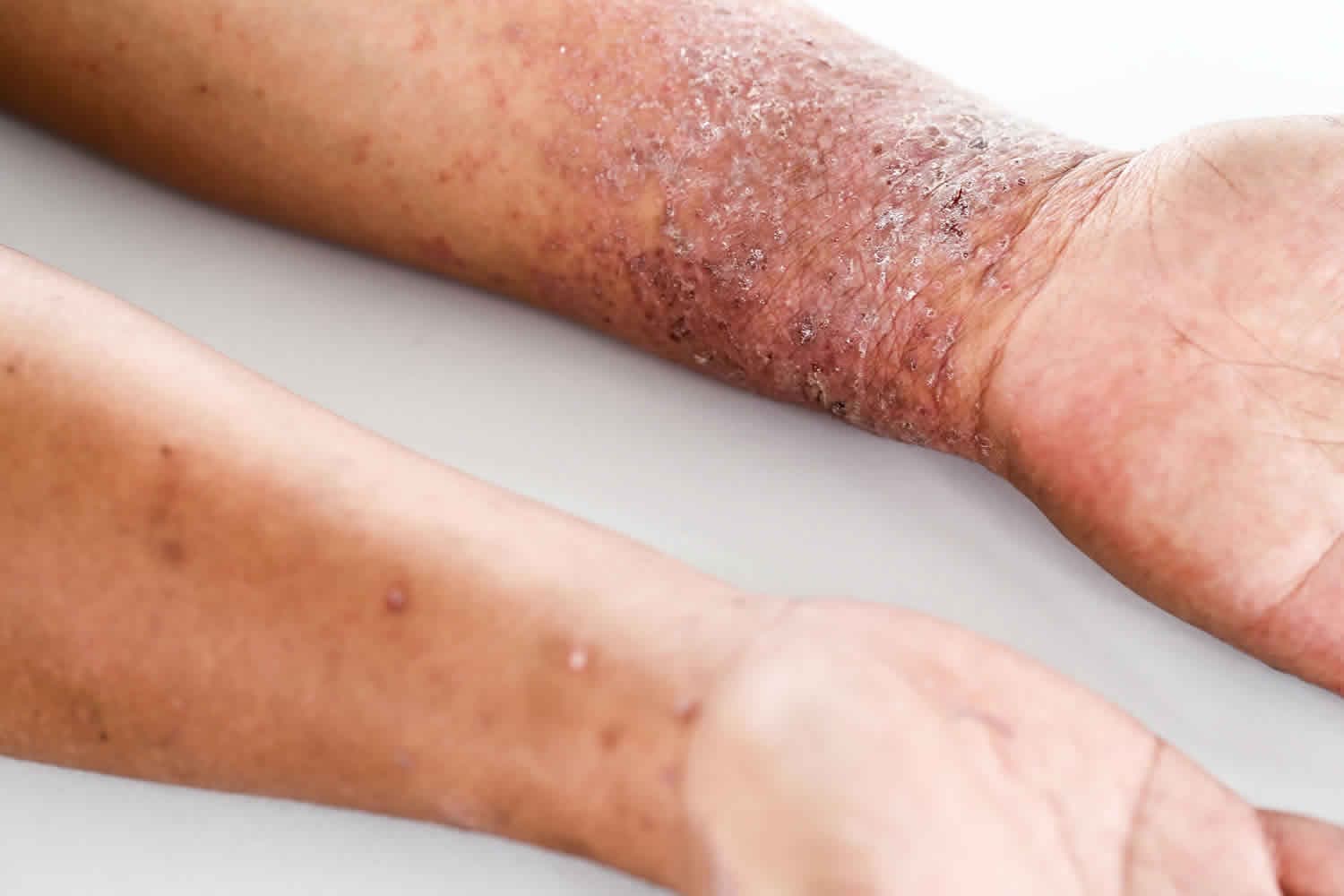
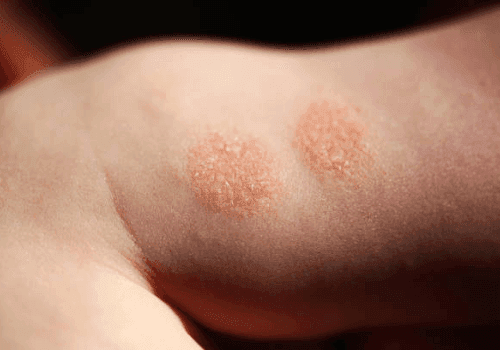
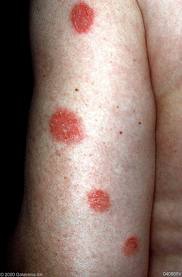
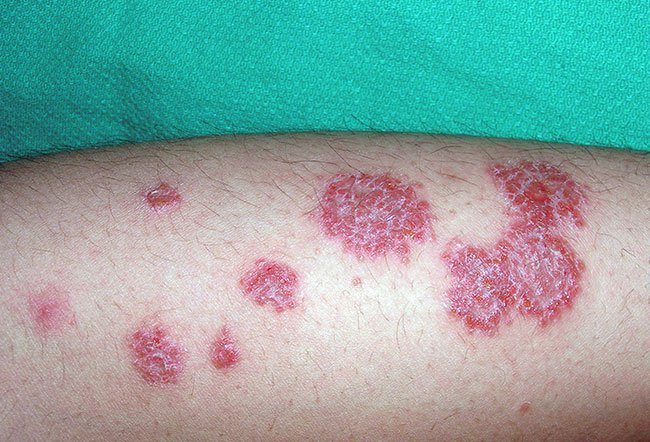
Nummular or discoid dermatitis (also known as nummular eczema) is a chronic, recurrent skin inflammation characterized by round or oval, "coin-shaped" red, scaly, often itchy plaques. Rashes more commonly appear on the limbs (especially the legs and forearms) but can also occur on the trunk. The face and scalp are usually not affected, but in some cases, lesions can appear in these areas. The course of the disease is undulating – periods when the rashes subside can alternate with flare-ups.
The origin of nummular dermatitis is associated with a disruption of the skin barrier and an immune system response. This means that the skin becomes less resistant to environmental irritants, loses moisture more quickly, which promotes inflammation and itching. The condition is not contagious: it does not spread from person to person and does not occur due to "poor hygiene."
Causes and Risk Factors
The exact cause of nummular dermatitis is not yet fully understood, but scientific data allows us to identify factors that may contribute to the onset or exacerbation of the disease:
- Skin dryness and barrier disruption – frequent hand washing, hot showers, and reduced air humidity during the heating season promote transepidermal water loss, causing the skin to flake and crack.
- Atopic tendency – individuals with atopic dermatitis, allergic rhinitis, or asthma are more likely to develop nummular dermatitis.
- Contact irritants and allergens – fragrances, certain metals, preservatives, or household chemicals can trigger or maintain inflammation.
- Frequent washing and aggressive cleansers – soaps and foaming cleansers wash away natural lipids and weaken the skin's protective layer.
- Dry indoor air – especially when humidity drops below 30%, the skin becomes more prone to irritation.
- Rough or tight clothing – friction, synthetic or woolen fabrics can irritate sensitive skin.
- Skin damage and microtraumas – scratches, bites, frostbite, or burns can sometimes cause "initial" lesion development.
- Skin microbiota imbalance – bacterial colonization or secondary infections can maintain inflammation.
- Venous insufficiency – impaired circulation in the legs can promote inflammation and complicate healing.
- Age and gender – more common in adults, often middle-aged or older men, but it also affects women and children.
- Stress and lack of sleep – psycho-emotional factors can be related to flare-ups and increased itching.
These factors do not mean that the disease will necessarily develop, but they help to understand why nummular dermatitis occurs more frequently or intensely in some people than in others.
Symptoms
Nummular dermatitis often has a quite recognizable appearance, but symptoms can vary depending on the stage and intensity of the flare-up:
- Initially, small papules or vesicles appear, which merge to form round or oval red plaques.
- The diameter of the lesions can range from a few millimeters to 10 cm or more; there may be one or several.
- The surface often scales, can be rough, tight, sometimes weeping with yellowish crusts.
- Itching is one of the bothersome symptoms; it can intensify in the evening, after a hot shower, or when the skin warms up.
- Most commonly affected are the legs, forearms, thighs, and trunk; the face and scalp are usually not affected, but exceptions are possible.
- Once the plaques heal, pigmentation changes remain – the skin is darker or lighter than the surrounding area, which fades over time.
- Scarring usually does not occur unless the skin is severely scratched or a secondary infection develops.
When to See a Doctor?
Consult a dermatologist if:
- redness, scaling, and itching do not disappear within 2–3 weeks or worsen;
- rashes spread or cover large areas of the body;
- it is unclear whether it is not a fungal infection or psoriasis;
- there is pain, oozing, yellow crusts, fever – possible signs of secondary infection;
- itching disrupts sleep, workability, or causes significant discomfort;
- rashes recur despite home care measures.
Early consultation helps to accurately diagnose, identify the causes of flare-ups, and achieve faster skin improvement.
Diagnosis
The diagnosis is usually made based on the characteristic clinical picture and course of the disease. The doctor evaluates the shape, location, and surface of the lesions, and if necessary, performs additional tests to differentiate nummular dermatitis from other conditions:
- Microscopic examination for fungus (direct examination or culture) if the lesions mimic a ringworm pattern.
- Allergen testing (patch tests) if contact allergy (e.g., to fragrances or metals) is suspected.
- Skin biopsy is rarely performed when the clinical picture is unusual or other dermatoses are suspected.
- Assessment of venous condition if lesions frequently recur on the legs and there is swelling or a feeling of heaviness in the legs.
Our iDerma clinic dermatologists help to accurately diagnose, assess the severity of the condition, and select an individual treatment and care plan. Consultations are available both in-person and remotely – this is especially convenient when a quick diagnosis and safe treatment agreement are needed.
ARTICLE_GIF
Treatment
The treatment of nummular dermatitis involves restoring the skin barrier, controlling inflammation, and managing provoking factors. A comprehensive approach is usually applied:
- Daily skin care. The foundation is regular, generous moisturizing and nourishing of the skin. Choose fragrance-free products suitable for sensitive skin. Apply emollients several times a day, especially within 3 minutes after washing, while the skin is still damp.
- Gentle washing. Use cool or warm (not hot) water, wash briefly (up to 5 minutes). Prefer oil-based or non-foaming cleansers, avoiding aggressive soaps.
- Reducing inflammation. For active, red, and intensely itchy plaques, the doctor prescribes topical anti-inflammatory agents – for example, ointments with appropriate strength hormonal preparations or non-hormonal anti-inflammatory agents (calcineurin inhibitors). This helps quickly reduce redness and itching.
- Wet wrap technique. For acute weeping or intense itching, moisturizing wraps may be recommended by the doctor, enhancing the effectiveness of topical agents and relieving itching.
- Phototherapy. If rashes are widespread or difficult to control, dosage light therapy is prescribed to help suppress inflammation and normalize skin response.
- Systemic therapy. In severe, persistent cases, systemic therapy prescribed by a doctor may be considered. It is important not to self-medicate – the appropriate regimen is selected by a specialist.
- Itch control. Cool compresses help, at night – a cooler environment, short, clean nails. Try not to scratch: lesions heal faster and the risk of infection decreases.
- Managing concomitant factors. In case of venous insufficiency, compression measures and special leg care may be recommended. If a secondary infection is suspected, the doctor prescribes appropriate treatment.
In most cases, improvement is noticeable within a few weeks of consistent care and treatment initiation. Dermatologist consultation at iDerma clinic – in-person or online – helps quickly assess the situation, avoid unnecessary mistakes, and create an individual, safe treatment plan.
Care and Prevention
Even after the rashes have subsided, it is important to maintain the skin barrier and avoid factors that could trigger a flare-up. Practical tips:
- Wash briefly and with cool water. Limit bathing time to 5 minutes, avoid hot showers.
- Gentle cleansers. Choose fragrance-free cleansers suitable for sensitive skin; use foaming soaps only when necessary.
- "3-minute rule". Apply emollients immediately after washing, while the skin is still damp.
- Moisturize the skin daily. Especially during the heating season – at least twice a day. Apply the product generously, without skimping.
- Indoor humidity. Maintain 40–60% humidity; use a humidifier if necessary.
- Fabrics and clothing. Choose loose, natural fiber (e.g., cotton) clothing, avoid rough, woolen fabrics, and tightly fitting clothes.
- Laundry. Use fragrance-free laundry products, wash separately from others, extend the rinse cycle to remove residues.
- Protection of hands and vulnerable areas. When performing "wet work," wear protective gloves with cotton liners, then moisturize the skin.
- Stress management and sleep. Regular sleep, physical activity, and stress reduction help manage flare-ups.
- Tracking factors. Keep a short diary of flare-ups, new products, or activities – this makes it easier to identify individual irritants.
If a dermatologist diagnoses contact allergy, it is advisable to carefully check the composition of cosmetics, hygiene, and household chemicals, choose safer alternatives, and follow the provided recommendations.
Frequently Asked Questions
- Is nummular dermatitis contagious?
No. It is a non-contagious skin condition, it does not spread through skin contact or objects. - How to distinguish it from a fungal infection?
Both conditions can have round rashes, but fungus often has a more pronounced, raised advancing edge and a clearer center. In case of doubt, a microscopic examination for fungus is performed. Self-treatment "for fungus" is not recommended. - Does this disease go away permanently?
Nummular dermatitis is usually a chronic, recurrent condition. With proper skin care and following specialist recommendations, flare-ups become less frequent and milder. - Do scars remain?
Usually not. Temporary pigmentation changes (darker or lighter spots) may remain, which gradually fade. - Does it occur in children as well?
Yes, although it is more common in adults. In children, gentle, regular skin care and control of provoking factors are especially important. - How long does treatment last?
The first signs of inflammation control are usually visible within 2–4 weeks. Maintenance care is continued to prevent relapses.
Conclusions
Nummular (discoid) dermatitis is a chronic but successfully manageable skin condition. The main pillars of success are restoring the skin barrier, controlling inflammation, and avoiding triggers. By recognizing symptoms early and consulting a dermatologist, a clear, individual plan can be developed to quickly alleviate flare-ups and maintain good skin condition in the long term. If you are unsure about the diagnosis or notice that home remedies are not helping, seek assistance – specialist help allows achieving the best results safely and effectively.