Manifestation of Paraneoplastic Gastrointestinal Tumor Syndromes on the Skin
Skin changes often reflect deeper processes occurring within the body. Some of the most complex and clinically significant of these are paraneoplastic syndromes—conditions that arise as a reaction of the immune system or molecules secreted by a tumor to a malignant process. These syndromes can be the first "warning signal," allowing suspicion of a gastrointestinal (GI) tumor even when there are no obvious internal symptoms. Recognizing skin signs in a timely manner is particularly important as it allows for a quicker start to comprehensive diagnostics and treatment.
What is it?
Paraneoplastic syndromes are indirect conditions caused by malignant tumors (neoplasms) characterized by systemic effects on organs and tissues, including the skin, nails, and mucous membranes. It is important to understand that these skin lesions are not direct metastases of the tumor to the skin. They occur due to:
- hormones, cytokines, or enzymes secreted by the tumor;
- immune cross-reaction—when the immune system mistakenly attacks skin or other tissue structures similar to tumor antigens;
- metabolic imbalance (e.g., deficiency of proteins, zinc, fatty acids) as tumor demands increase.
Paraneoplastic skin syndromes can manifest just before the tumor diagnosis, coincide with its identification, or worsen as the disease progresses. Often, skin changes regress when the tumor is successfully treated and recur when the disease relapses—this helps track the tumor's course.
Possible Skin Lesions
The following paraneoplastic skin syndromes are more commonly associated with gastrointestinal tumors:
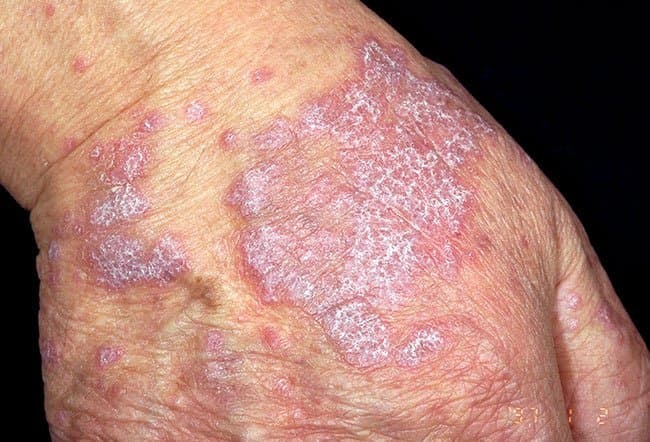
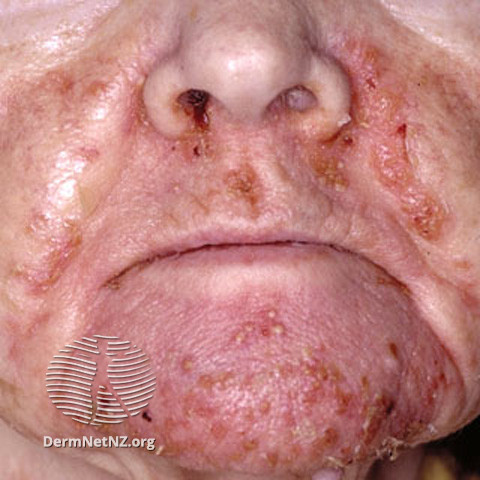
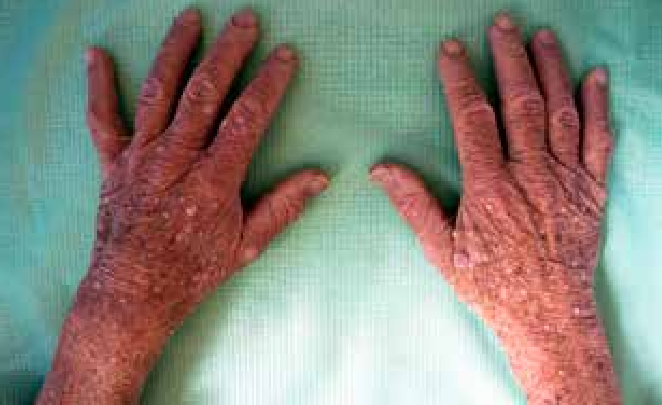
- Paraneoplastic acrokeratosis (Bazex syndrome)—scaly, rough, bluish-violet patches on the distal parts of the limbs and face, often with nail involvement.
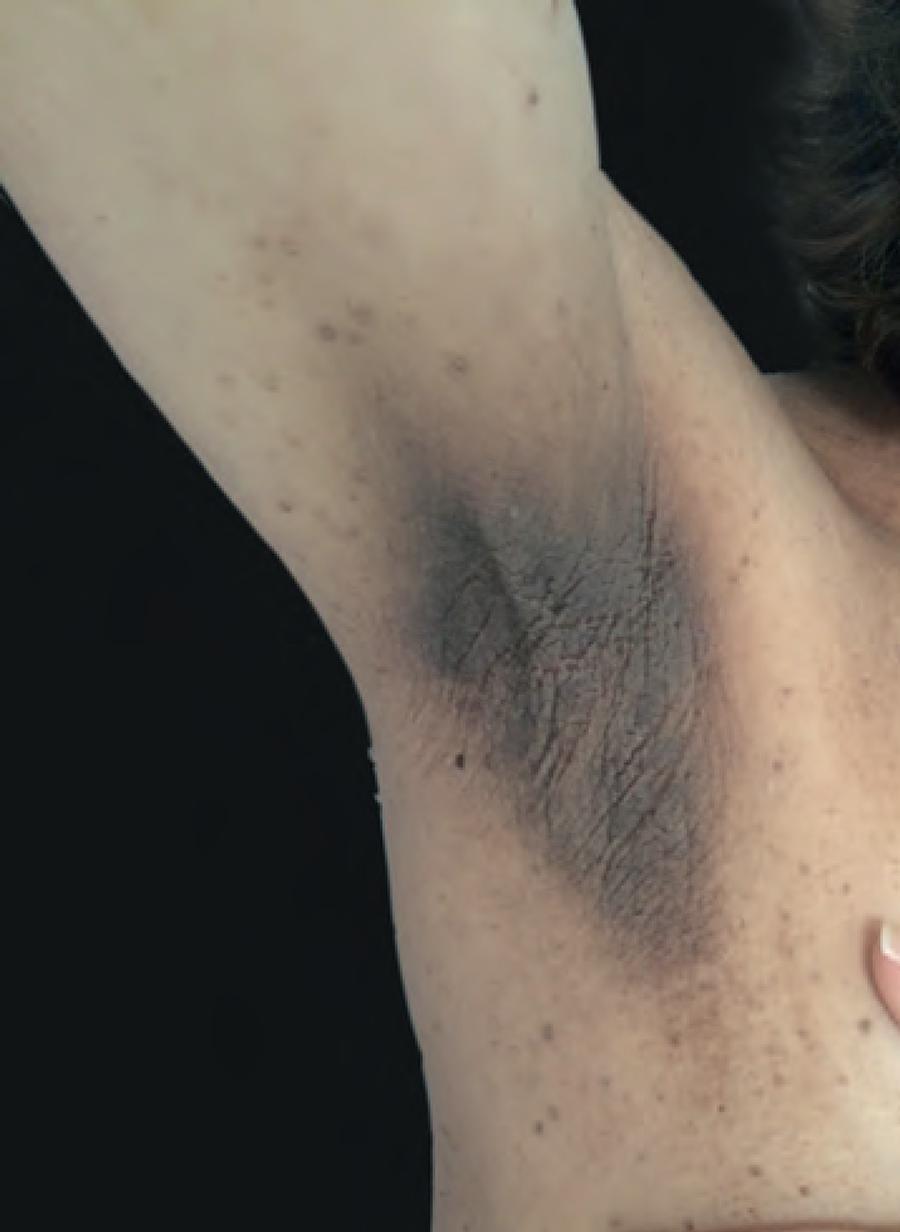
- Acanthosis nigricans (malignant form)—sudden appearance of velvety-textured, dark plaques on flexural surfaces; more commonly associated with gastric and other GI adenocarcinomas.
- Necrolytic migratory erythema—annular, eroding, painful or burning plaques, typical of pancreatic neuroendocrine tumors (glucagonomas).
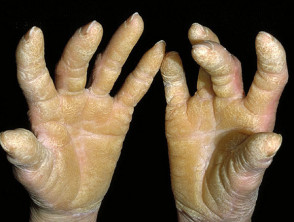
- Florid papillomatosis ("tripe palms")—sudden appearance of numerous warty growths, thickened, ridged palms; often associated with gastric or pancreatic tumors.
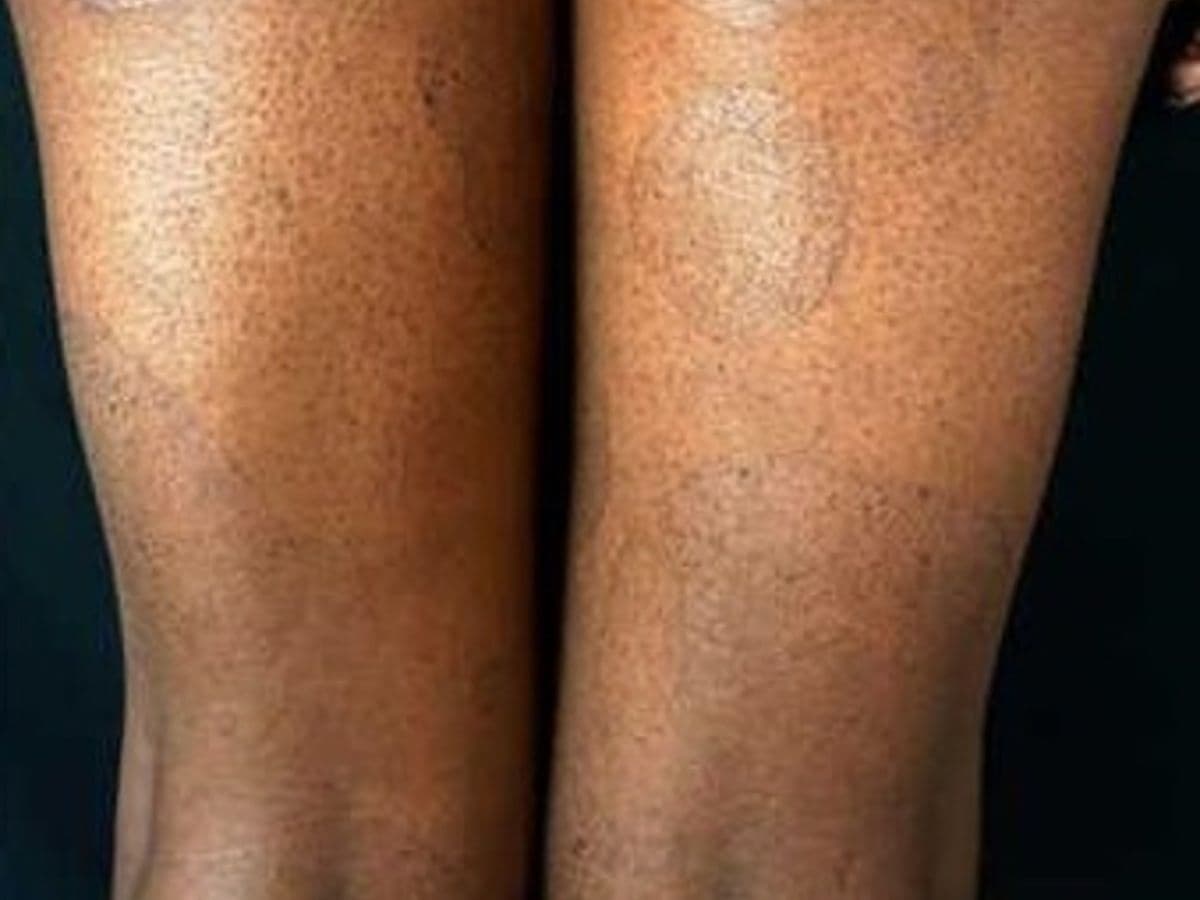
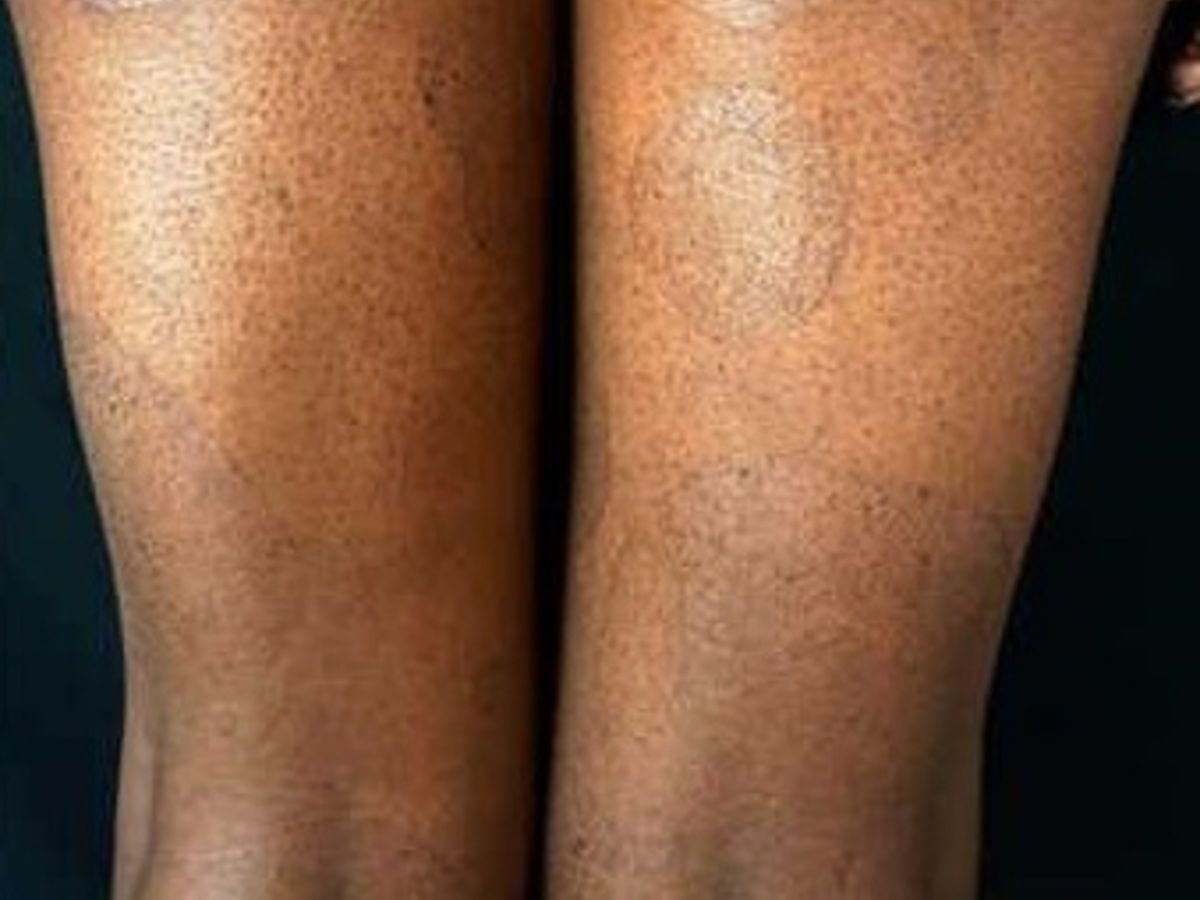
- Pityriasis rotunda—round, well-defined, thin scaly patches—hypopigmented or hyperpigmented; may be associated with liver or GI diseases.
- Palmoplantar keratoderma—thickening and cracking of the palms and soles, often hindering daily activities; in some cases, it is paraneoplastic.
- Pancreatic panniculitis—painful nodules in the deeper layers of the skin, associated with pancreatic enzymes entering the bloodstream, most commonly in the presence of a pancreatic tumor.
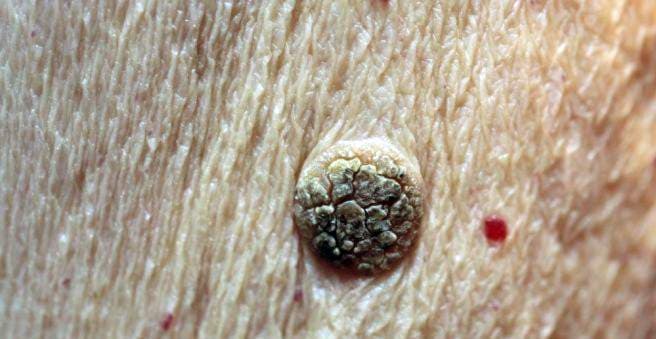
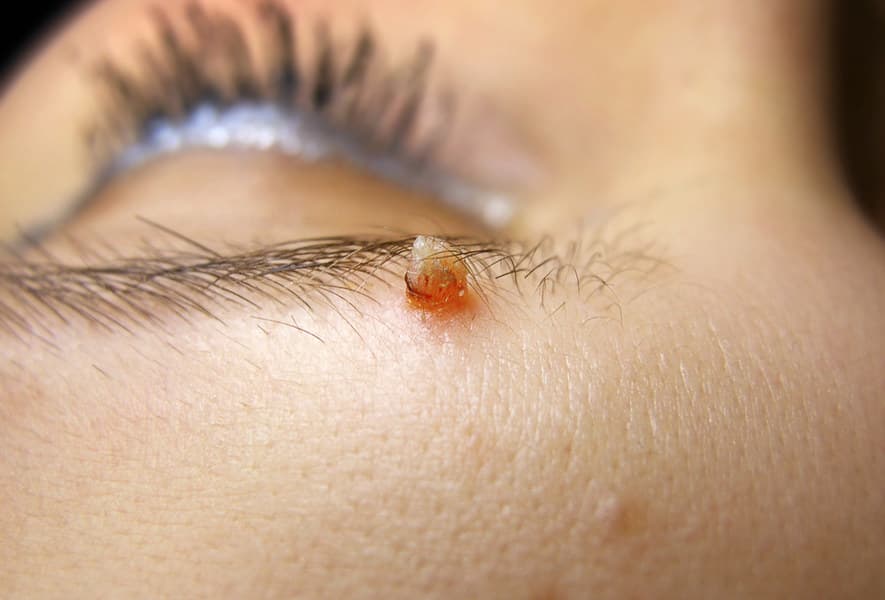
These examples are not exhaustive. The sudden, abundant appearance of new benign growths (e.g., warty or seborrheic keratoses) with itching, along with general malaise, can also raise oncological suspicion and require thorough evaluation.
Causes and Risk Factors
The causes of paraneoplastic syndromes are closely linked to tumor activity and the body's immune response. The main mechanisms include:
- Immunological mimicry effect—the tumor has antigens similar to natural skin structures; immunity attacks both the tumor and similar tissues.
- Effects of hormones and cytokines—the tumor can secrete various biologically active substances that cause skin cell proliferation, keratinization, or inflammation.
- Excess of enzymes and metabolites—for example, pancreatic enzymes circulate in the blood and break down adipose tissue (panniculitis), while hormonal imbalances promote erythemas and erosions.
- Nutritional and metabolic disorders—due to tumor "catabolism," there may be a deficiency of zinc, proteins, or fatty acids, manifesting as skin dryness, inflammation, and slower healing.
The risk is higher in older individuals, those with a family history of cancer, smokers, those with chronic liver or pancreatic diseases, and those experiencing unexplained weight loss, fatigue, or digestive disorders. Sudden, unusual skin changes with general malaise should prompt immediate consultation.
Symptoms
The clinical picture depends on the specific syndrome, but the most common signs and their characteristics are as follows:
Paraneoplastic acrokeratosis (Bazex): scaly, violet-hued, sometimes painful patches and plaques on the fingers, hands, feet, knees, ears, nose, cheeks. Frequent nail thickening, longitudinal ridges, onycholysis. The condition may decrease with tumor treatment.
Acanthosis nigricans (malignant form): suddenly appearing velvety, dark thickened areas in the armpits, groin, neck, around the navel, often accompanied by itching. Mucosal involvement may occur. More commonly associated with gastric and other GI adenocarcinomas.
Necrolytic migratory erythema: annular, reddened, "migrating" plaques with erosions and crusts forming in the center, often at the corners of the mouth, groin, perineum, buttocks. Characterized by burning, sensitivity, signs of nutrient deficiency.
Florid papillomatosis: unexpected appearance of numerous warty growths, prominent, ridged palms ("tripe palms"), sometimes with diffuse itching. Often accompanies other paraneoplastic signs.
Pityriasis rotunda: well-defined, round, scaly patches on the trunk and thighs; possible different shades depending on skin type. Often unnoticed but persistently long-lasting.
Palmoplantar keratoderma: thickening and cracking of the palms and soles, pain when walking or working, can impair function and quality of life.
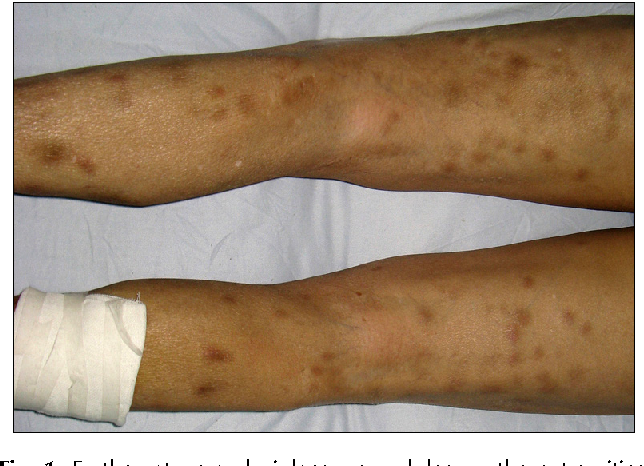
Pancreatic panniculitis: painful, red or violet deeper nodules on the calves, thighs, buttocks, sometimes with necrotic areas and discharge. May occur even before obvious pancreatic disease symptoms.
In addition to skin signs, general symptoms often appear: unexplained weight loss, decreased appetite, fatigue, anemia, changes in bowel habits, upper abdominal pain, sometimes fever or night sweats. This combination of symptoms raises oncological suspicion and requires urgent evaluation.
ARTICLE_GIF
When to See a Doctor?
Consult a doctor if you notice:
- sudden, unusual appearance or worsening of skin lesions with itching, pain, cracking, erosions;
- symptoms resistant to usual skin care;
- sudden thickening of the palms or soles, proliferation of warty growths;
- skin changes accompanied by weight loss, lack of appetite, weakness, signs of blood loss, or abdominal complaints;
- new nail changes along with skin lesions.
Such symptoms do not necessarily indicate cancer, but they are sufficient reason for a thorough examination. The earlier the cause is identified, the greater the likelihood of successfully managing the disease and its symptoms.
Our clinic's dermatologists help accurately assess the nature of skin lesions, identify possible associations with internal organ diseases, and select an individualized plan for further investigations and care. Consultations are available both in-person and online, allowing for a quick start to diagnostics and timely decision-making.
Diagnosis
The diagnosis of paraneoplastic skin syndromes involves several sequential steps:
- Comprehensive history and examination—when and how lesions appeared, their dynamics, whether there are generally troubling symptoms, family history of cancer.
- Dermatoscopy and photographic documentation—helps to describe lesions more accurately and track their changes over time.
- Skin biopsy with histological examination—confirms the type of skin lesions and rules out other possible diagnoses (e.g., infections, autoimmune dermatoses).
- Blood and biochemical tests—general inflammatory activity, assessment of nutritional status, if necessary—hormone and other protein profiles.
- Imaging and endoscopic examinations—depending on suspicion: abdominal organ ultrasound, computed tomography, magnetic resonance imaging, upper or lower GI endoscopies, sometimes functional system assessments.
- Parallel course analysis—evaluates whether skin lesions appeared along with tumor symptoms and whether they change with treatment of the underlying disease.
The diagnosis is always the result of complex work. Precisely described skin findings by a dermatologist help direct internal medicine and oncological investigations in the right direction, allowing for quicker and more accurate decisions.
Dermatologist consultation in-person or online at iDerma clinic helps quickly clarify the diagnosis, assess the relationship of severe skin lesions with possible internal diseases, and plan a safe, individualized investigation path.
Treatment
The most effective way to treat paraneoplastic syndromes is control of the underlying oncological disease. Skin lesions often weaken or even disappear when the tumor is successfully treated. However, while diagnostics or oncological treatment is ongoing, symptom control and restoration of the skin barrier is very important:
- Individual skin care—gentle cleansers, intensive moisturizing, barrier-restoring emollients, solutions to reduce friction and pressure on the palms and soles.
- Management of inflammation and itching—specialist-prescribed topical treatments, phototherapy methods, if needed—additional systemic measures.
- Wound and crack care—antiseptics, emollient and protective dressings, infection prevention.
- Nutritional and metabolic support—nutritionist recommendations, especially in cases of protein, micronutrient deficiency, or significant weight loss.
- Teamwork—collaboration between a dermatologist, oncologist, gastroenterologist, endocrinologist, and dietitian allows for managing both the tumor and skin symptoms.
- Psychological support—chronic itching, pain, and visible skin changes significantly affect emotional well-being; timely assistance improves treatment experience and outcomes.
The treatment plan is always tailored individually, considering the patient's health condition, severity of skin symptoms, and the course of the underlying disease. Regular monitoring helps to timely adjust measures and prevent exacerbations.
Care and Prevention
There is no specific prevention for paraneoplastic syndromes, but you can reduce the likelihood of complications and ease the condition:
- Regular check-ups and targeted tests—especially if you are in a high-risk group or have persistent, unclear skin symptoms.
- Daily skin hygiene and moisturizing—gentle cleansers, avoiding fragrances and irritants, using moisturizers immediately after bathing.
- Reducing friction and pressure—comfortable footwear, cushioned gloves or insoles, especially in cases of palm and sole lesions.
- Sun protection—broad, daily photoprotection reduces additional inflammatory burden on the skin.
- Balanced diet and control of harmful habits—healthy diet, adequate protein and micronutrient intake, avoiding smoking and excessive alcohol.
- Oncological vigilance—age and risk-appropriate GI screening tests (as recommended by a doctor) help detect diseases earlier.
If diagnosed with a paraneoplastic syndrome, adhere to the planned sequence of visits and tests: skin changes often "announce" if the underlying disease becomes active.
Frequently Asked Questions
- Do paraneoplastic skin syndromes always mean cancer?
Not always, but they can be associated with malignant processes—especially when they appear suddenly, are unusual, severe, or resistant to usual care. In such cases, thorough investigations are necessary. - Are these skin lesions contagious?
No, paraneoplastic syndromes are not of infectious origin and do not spread from person to person. - Do skin symptoms resolve with tumor treatment?
Often—yes. Successfully controlling the underlying disease weakens or eliminates skin lesions. However, sometimes targeted dermatological care is also needed. - Will a skin biopsy be necessary?
Often yes—a biopsy helps confirm the type of skin lesions, differentiate other diseases, and more accurately plan further investigations. - Is a remote consultation useful?
Yes, especially for initial screening, assessment of lesions from photos, and planning further investigation. If necessary, an in-person visit and additional tests are scheduled. - Can paraneoplastic syndromes be completely avoided?
There is no specific prevention, but a healthy lifestyle, oncological screening, and early consultation for atypical skin symptoms help diagnose diseases earlier and reduce the risk of complications.
Conclusions
Paraneoplastic skin syndromes are a rare but clinically very significant group of conditions that can early signal gastrointestinal tumors. Although skin lesions are not direct metastases, they often closely reflect tumor activity. Early recognition, rapid diagnostics, and comprehensive treatment lead to a better prognosis and improved quality of life. If you notice sudden, unusual, or worsening skin changes, do not delay—time is a very important factor in this case.