Introduction
Nodular prurigo, also known as prurigo nodularis, is a chronic skin condition caused by skin inflammation. This condition is characterized by prominent nodules on the skin and intense itching, which can severely disrupt quality of life, interfere with sleep, and worsen overall well-being.
What is it?
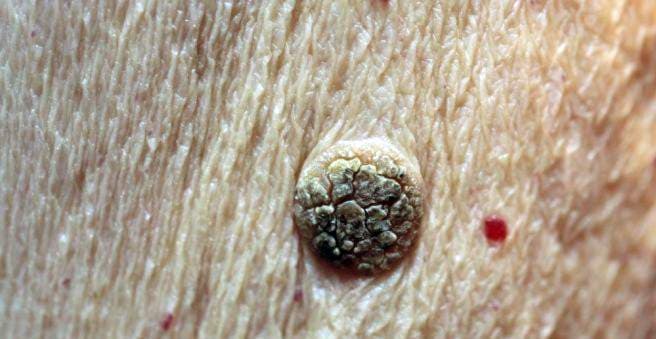
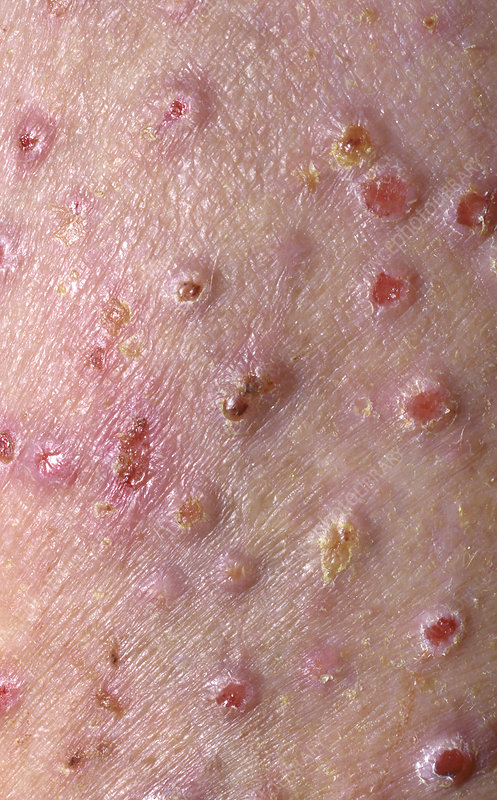
Nodular prurigo manifests as a hard, sometimes painful nodule that is slightly raised above the skin surface. The disease, although rare, can begin at any time, but is most commonly observed between the ages of 40 and 69. It occurs almost equally in both men and women, but the more severe form is more prevalent among women.
Causes and Risk Factors
Scientists do not agree on the exact causes of nodular prurigo. However, it is often found in patients who have family members suffering from atopic dermatitis, asthma, or other similar conditions. Additionally, nodular prurigo is sometimes associated with systemic diseases such as:
- Iron deficiency anemia
- Cancerous diseases
- Diabetes mellitus
- Chronic kidney disease
- HIV infection
- Mental illnesses
Identifying and treating these conditions can help manage the symptoms of nodular prurigo.
Symptoms
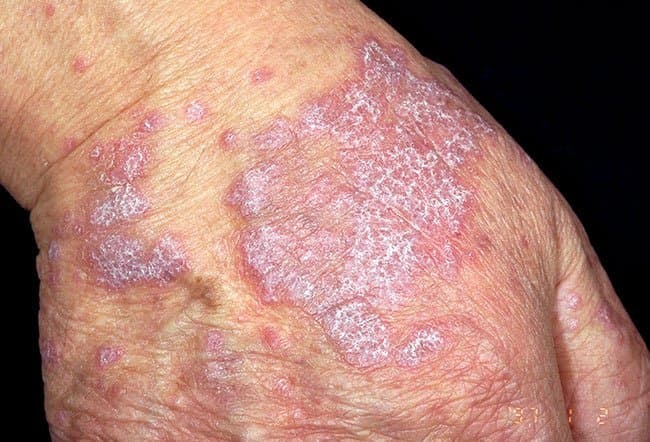
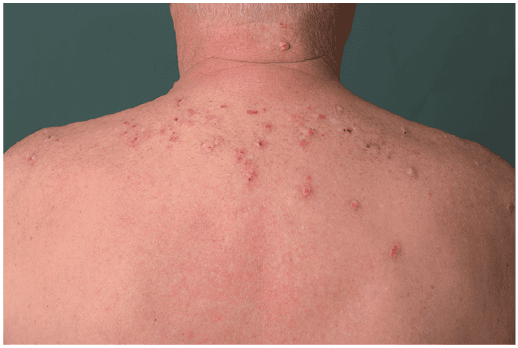
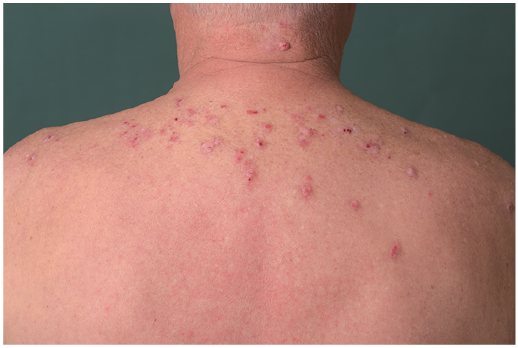
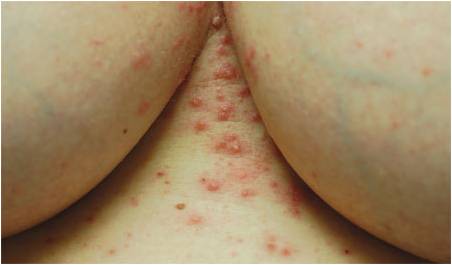
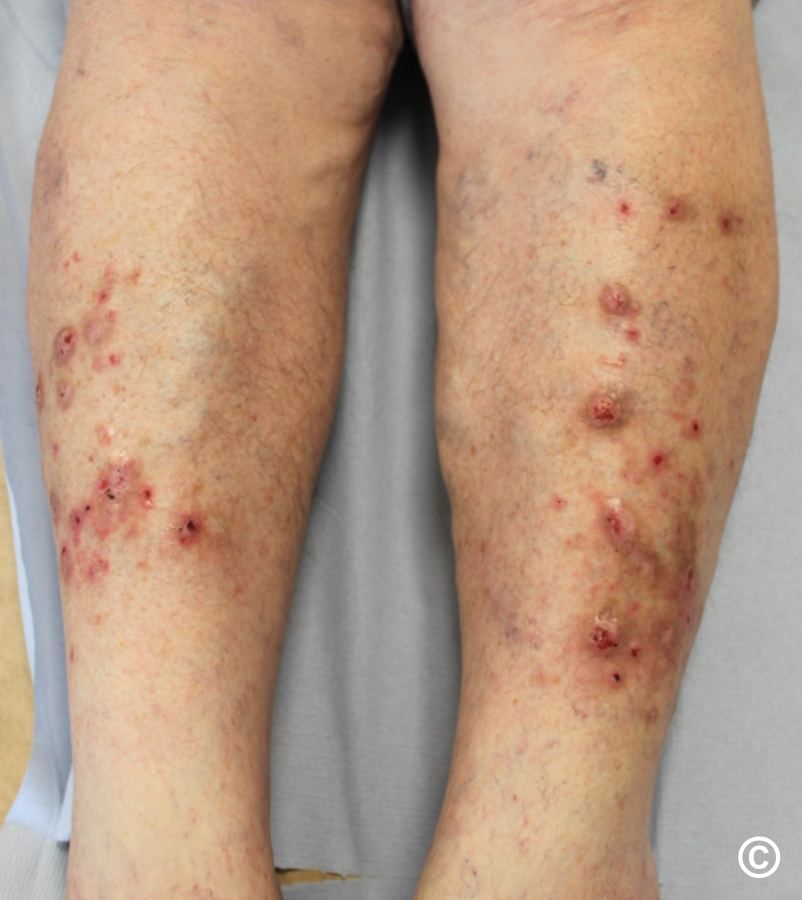
The main symptom of this disease is intense itching, which often disrupts sleep and deteriorates quality of life. Itching can be exacerbated by sweating, tight or irritating clothing, heat, and stress. The disease is also characterized by rashes that appear as nodules of varying sizes — from a few millimeters to several centimeters. The number of rashes can range from a few to hundreds, and their color depends on the patient's skin tone. Nodules are often located on the legs, arms, upper back, and abdominal area.
ARTICLE_GIF
Scaling and crusting are typical of recently scratched nodules, and itching can lead to secondary skin infections due to intense scratching.
When to See a Doctor?
If you experience severe itching that interferes with daily activities and sleep quality, it is important to consult a doctor as soon as possible. A doctor's consultation will help accurately diagnose and create an individualized treatment plan.
Diagnosis
Often, diagnosis can be made based on medical history and clinical symptoms. In rarer cases, when symptoms resemble other skin conditions, a skin biopsy may be performed. Once the diagnosis is confirmed, it is recommended to examine the patient for possible systemic diseases that could be associated with nodular prurigo.
Our clinic's dermatologists help accurately diagnose, assess severity, and select an individualized treatment and care plan — both in person and online.
Treatment
Treatment for nodular prurigo is individualized and depends on the severity of the disease. For some patients, topical treatment with emollients and various ointments is suitable, while others may require a systemic approach, including phototherapy or medication. The exact treatment plan is developed by the doctor and regularly reviewed to achieve the best results.
Care and Prevention
To alleviate symptoms and reduce the frequency of flare-ups, it is important to follow the prescribed regimen and try to avoid triggers of itching. You can:
- Wear loose and breathable clothing
- Try to avoid stress and heat
- Maintain skin moisture by regularly using moisturizers
- Avoid allergens that can worsen skin condition
Frequently Asked Questions
- Can nodular prurigo go away on its own?
Unfortunately, the disappearance of nodules usually does not occur on its own, so it is necessary to carefully follow the doctor's recommendations. - How can I relieve itching?
Moderate use of cold compresses, skin moisturizing, and stress reduction can relieve symptoms. - Is it contagious?
No, nodular prurigo is not caused by an infection, so it is not contagious. - Can diet affect my skin condition?
Although there is no direct connection, a healthy diet can generally improve your skin health.
Conclusions
Nodular prurigo is a complex and unpleasant skin condition that requires careful treatment. Diagnosis and treatment plans must be tailored to the individual circumstances of the patient. With timely and appropriate treatment and skin care, symptoms can be reduced, helping the patient regain quality of life.